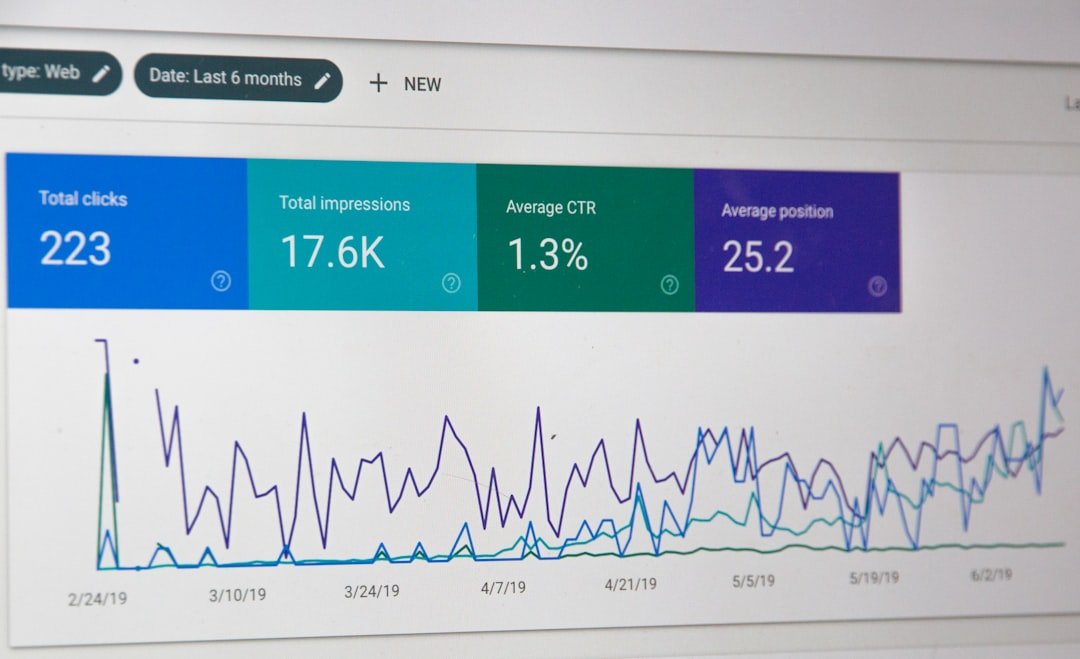
September is shaping up to be a reset month for digital marketing agencies. Between platform defaults quietly shifting, a major AI assistant being phased out, and a social platform ending a creator payout program, agencies managing client budgets have several changes to get ahead of before they cause headaches downstream.

Google and Microsoft Are Taking the Wheel on Search Campaigns
Starting this month, Google began automatically shifting older Broad Match and legacy asset-based Search campaigns over to its AI Max system, a more automated approach to bidding and targeting. Microsoft followed with a similar move, rolling its own AI Max feature out broadly and switching it on by default for new Search campaigns.
For agencies, the concern isn’t necessarily performance, it’s visibility. When platforms handle more of the targeting and creative decisions automatically, it gets harder to explain to a client exactly why a campaign performed the way it did. Recent industry survey data backs this up: a large share of marketers admit they still can’t fully account for where ad budget is going once automation takes over, and campaign launch times remain slow for many teams despite all the promised efficiency gains. The agencies that come out ahead here will be the ones that keep a layer of independent measurement and human review on top of what the platforms report.
Google Assistant Is Being Retired in Favor of Gemini
Google has also set a firm timeline for phasing out Google Assistant on Android phones, tablets, and connected devices, replacing it entirely with Gemini. Once a device makes the switch, there’s no going back to the old assistant. This has been telegraphed for over a year, but the concrete rollout date makes it real for any brand or agency running voice-search or assistant-based campaigns, which will need to be rethought around Gemini’s behavior instead.
X Is Ending Its Revenue Sharing Program
Creators and brands using X’s Revenue Sharing program have a hard deadline approaching, with the program winding down and a final payout scheduled for later this month. A new program, built around original content rather than reply engagement, is replacing it, with stricter eligibility requirements around account standing and reach. Agencies managing influencer or creator partnerships on X should flag this to clients now rather than after the payout structure has already changed underneath them.
For a closer look at how the AI Max rollout is affecting advertiser accounts specifically, Search Engine Land has been tracking the change closely as it unfolds.
The Common Thread
None of these changes are catastrophic on their own, but together they point to a pattern: the platforms are quietly making more decisions on behalf of advertisers and creators, and the agencies that stay ahead are the ones auditing their accounts before the defaults get applied, not after. It’s also a reminder that AI isn’t just changing what agencies produce, it’s changing how the platforms themselves operate, a theme that’s showing up everywhere from advertising dashboards to the newest frontier AI models making headlines this week.
For agencies, the practical move is simple: baseline current performance before the automation fully kicks in, keep a record of what’s changing and when, and make sure clients hear about these shifts from their agency first, not from a platform notification.
This Month’s Changes at a Glance
- Google Search: Legacy Broad Match and asset-based campaigns auto-migrating to AI Max starting September 1.
- Microsoft Ads: AI Max now generally available and on by default for new Search campaigns.
- Google Assistant: Being retired on Android devices in favor of Gemini, starting September 4.
- X (Twitter): Revenue Sharing program ending September 7, final payout around September 11, replaced by the Original Content Rewards program.
Frequently Asked Questions
Do I need to opt out of AI Max?
Google’s migration is automatic for eligible legacy campaigns, so the more useful step is auditing performance before and after the switch rather than trying to opt out.
Does the Google Assistant change affect existing campaigns?
It mainly affects voice-search and assistant-based strategies. Standard Search and Display campaigns aren’t directly impacted, but it’s worth reviewing any voice-specific work.